Localizing at scale: The UAE dirham symbol
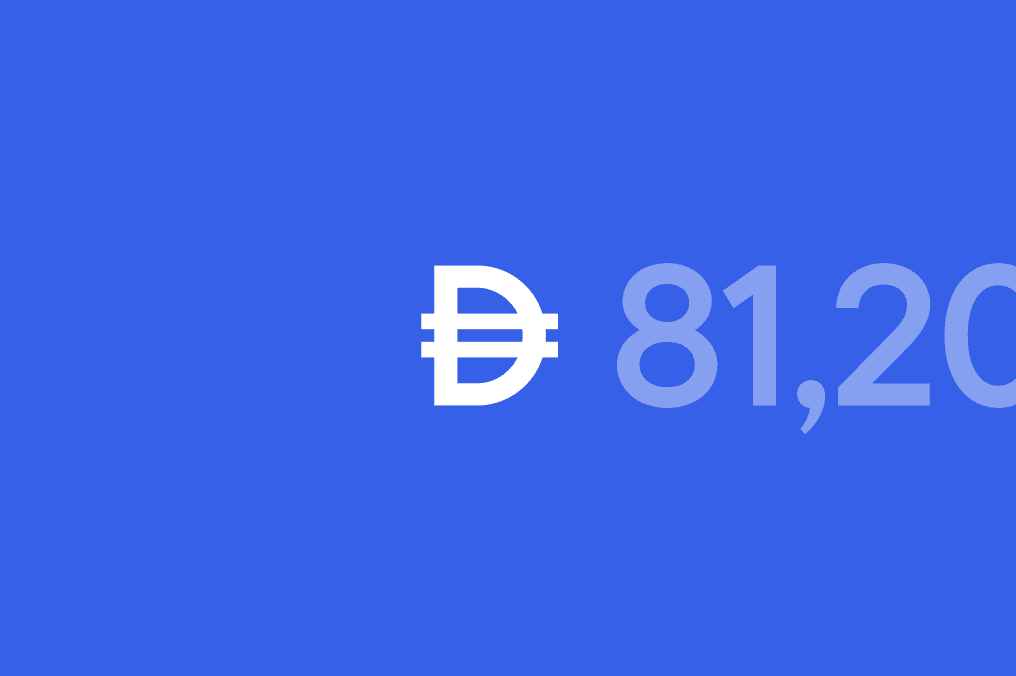
Instead of rewriting thousands of lines of content strings to update the UAE currency symbol across all platforms, I designed a custom font ligature to do it automatically, saving an estimated 4+ months of dev time and rolling out to millions of daily users instantly.
A symbol rollout is never just a string swap
When the UAE introduced a new official currency symbol, deploying it across an ecosystem of our scale (millions of users, multiple platforms) was vastly more complicated than a simple “find and replace.”
Massive scale. The string “AED” was deeply embedded across our design tools, Flutter, web apps, CRM, and vendor dashboards. Manual updates meant months of engineering bandwidth.
Font limitations. Our brand fonts (TT Commons Pro, Noto Sans Arabic) didn’t support the symbol. Official Unicode inclusion was a year away.
Vendor delays. Our English font foundry pushed their update to November 2025. Waiting meant falling behind the market.
We needed a scalable, immediate solution with zero destructive codebase refactoring.
Treating this as a content or a front-end codebase problem was too slow. Instead, I pivoted to solve the issue at the root: the font itself.
Engineering at the font level
Defined logic via font props. I designed a custom Dirham glyph perfectly matching the geometry and sans-serif weighting of TT Commons Pro. I used the Glyphs app to inject the symbol into the Private Use Area (PUA) for both our English and Arabic fonts, and set up OpenType contextual alternates (calt) feature. Whenever the system renders the string “AED”, the font natively intercepts it and displays the Dirham symbol. Zero backend changes required.
Negotiating with brand equity. A Q4 timeline from the font vendor was unacceptable. Instead of pushing back with budget, I negotiated an expedited, custom build by brokering a prominent feature for talabat on their “Fonts in Use” showcase page.
Cross-functional governance and de-risking. I distributed the engineered OTF/WOFF2 files alongside strict documentation for Web, Flutter, CRM, and Brand teams through our internal design system and documentation site. Currency displays are high-friction, so I worked with the engineering and data team to gate the font behind a feature flag and ran a rigorous A/B test in the UAE to monitor key success metrics before a full rollout (since the symbol was still so new).
Shipped to millions, validated where it counts
- Months of engineering saved. By solving the problem typographically, we reduced a massive codebase migration down to a single master asset update.
- 100% adoption, instantly. The design system paid dividends: update the font versions, and the entire ecosystem upgraded seamlessly.
- Core metrics held steady. The A/B test proved zero negative impact on Gross Merchandise Value (GMV) or Conversion Rate (CVR), maintaining total user trust.
- First to market. We positioned talabat months ahead of official typographic standardizations.
Key takeaways
Design beyond the canvas. Understanding OpenType capabilities (calt, liga) allowed us to solve a massive logistical engineering problem through pure systemic design.
Negotiate with leverage, not just budget. Knowing what a B2B partner values (industry visibility) can unlock operational speed.
Orchestration is the product. A launch this size succeeds on cross-team communication and meticulous POC mapping.